
Featured Talks

Keynote Presentation 1
Co-Creating Inclusive Technologies: From Hackathons to Inclusive Robotics - Dr Nic Hollinworth
How can communities shape technology so it works for everyone? This talk explores inclusive design through creativity, co-production, and democratic research. Drawing on insights from inclusive hackathons, accessible maker spaces, and co-creation projects with people with disabilities, it showcases innovative prototypes — including an inclusive robotic buggy, an Audible Ruler, and an Interactive Cushion — demonstrating how community-led innovation can create more accessible, meaningful technologies for everyday life
You’ll see demonstrations of:
- An inclusive robotic buggy designed to be programmable by blind people and individuals with learning disabilities, drawing on evidence from research on assistive and socially inclusive robotics.
- An Audible Ruler – an accessible learning tool codesigned with people with sight impairments to improve measurement skills through sound-bbased feedback.
- An Interactive Cushion, which transforms tactile input into playful or calming digital responses, helping supporting communication, self-expressionexpression and emotional regulation.
Together, these examples show how inclusive design, citizen science and creative technologies can help build a more accessible future, and one where communities lead innovation, and technology works better for everyone.

Keynote Presentation 2
Negotiating AI as a Community (NAIC) - Gavin Sealey
AI is not something to worship or fear.
It is a tool.
Negotiating AI as a Community (NAIC) approaches AI as a means — something to be used skillfully for our shared wellbeing — not as an end in itself to be chased out of hype or fear of missing out.
Our mission is simple:
To use AI as an organisational tool that increases the competence, coherence and productive capacity of community and community groups.
To use AI as a dialogical tool that strengthens our ability to think clearly as individuals — and to think well together as communities.
NAIC is not about replacing people with machines. It is about asserting the value of people in the age of the machine.
The NAIC project bagan with a workshop series subtitled “Building a Borough Brain.” But the “brain” is not a computer.
The brain is us in dialogue as a community augumented by AI tools.
We are aiming for something I call Augmented Community Intelligence (ACI) — a community that uses AI thoughtfully to enhance collaboration, learning, and collective decision-making.
NAIC is community building in the age of AI.
newhammosaic.org
netstorms.co.uk
Keynote presentation By Gavin Sealey

Keynote Presentation 3
What Even is 'Useful' Knowledge? - Joseph Cook
Let’s be honest: in the UK, the traditional “expert” is having a bit of a mid-life crisis. Public trust in academics and officials has noticeably plummeted as the distance between professional data and lived experience grows. It is fitting then, that 2026 marks 200 years since a short-lived experiment called the Society for the Diffusion of Useful Knowledge set out to democratise learning.
But what actually counts as “useful” today? Perhaps the answer lies in Citizen Social Science. This framework bridges the gap, bringing professional researchers together with “community experts”. By ditching the idea of communities as passive subjects and treating residents as collaborative partners, we create a science that is both academically rigorous and authentically grounded in reality.
Joseph is an anthropologist and east London resident who leads the Citizen Science Academy at University College London.

Keynote Presentation 4
Journey so far to becoming a Veterinarian Surgeon - Unique Barnett
I am neurodiverse and have a number of health related challenges and survived being knocked over by a car.
My passion has always been for treating and caring for domestic pets-dogs, cats and rabbits-, although I have also cared for mice!
I took my GCSEs and did my work experience in a Primary Care medical setting, working with multi-disciplinary teams.
I studied A Level Sciences-Biology, Physics and Chemistry – and despite my A Level results being lost (Covid 19 period), and having predicted grades of A*s, without my results I had to take a private route to Veterinary training, through my Vet Practice. I qualified in January as a Veterinary Nurse.
I am now working in that capacity and will conclude my final Accelerated studies to qualify as a Surgeon.
I will talk about the challenges I have overcome and the opportunities I have, and about being determined to achieve in the sciences field.

Keynote Presentation 5
Turning Everyday Conversations into Collective Intelligence - Yommy Ojo
We live in a world overflowing with information – Google, WhatsApp, YouTube, reports – yet many of our local problems remain unsolved. The issue isn’t access to knowledge. It’s that our knowledge is scattered.
In East London, every conversation holds insight: WhatsApp chats, community meetings, lived experience, cultural wisdom. But most of it never connects.
This talk explores how AI can help link what we already know – not replace human intelligence, but strengthen it. I’ll introduce the idea of a “library that talks back”: a way of bringing together local conversations, research and lived experience to ask better questions like:
What patterns are we missing?
Who should meet who?
Where are the hidden strengths in our community?
This is not about fear or hype. It’s about learning to use AI responsibly together – to build connection, shared problem-solving spaces and collective intelligence in East London.

Keynote Presentation 6
Understanding absorption of nutrients at the cellular level via mathematical modelling and machine learning - Professor Choi-Hong Lai
The aim of the talk is to give a very brief descriptive concept of absorption in the epithelial cells along the small intestine, follows with an easy mathematical model supported with data and machine learning. The use of mathematics will be kept to a minimal so that the general public will appreciate the importance of the subject without prejudice . The technical content will be kept at a popular level as well for the younger generations to appreciate the importance of the interplay between biology, mathematics, and machine learning.
Choi-Hong Lai is a Professor of Numerical Mathematics at the School of Computing and Mathematical Sciences, University of Greenwich. His main research interests are computational medical biology, computational modelling, and data analysis. He teaches ‘Computational Methods and Numerical Technology’. Choi-Hong Lai | People | University of Greenwich

Keynote Presentation 7
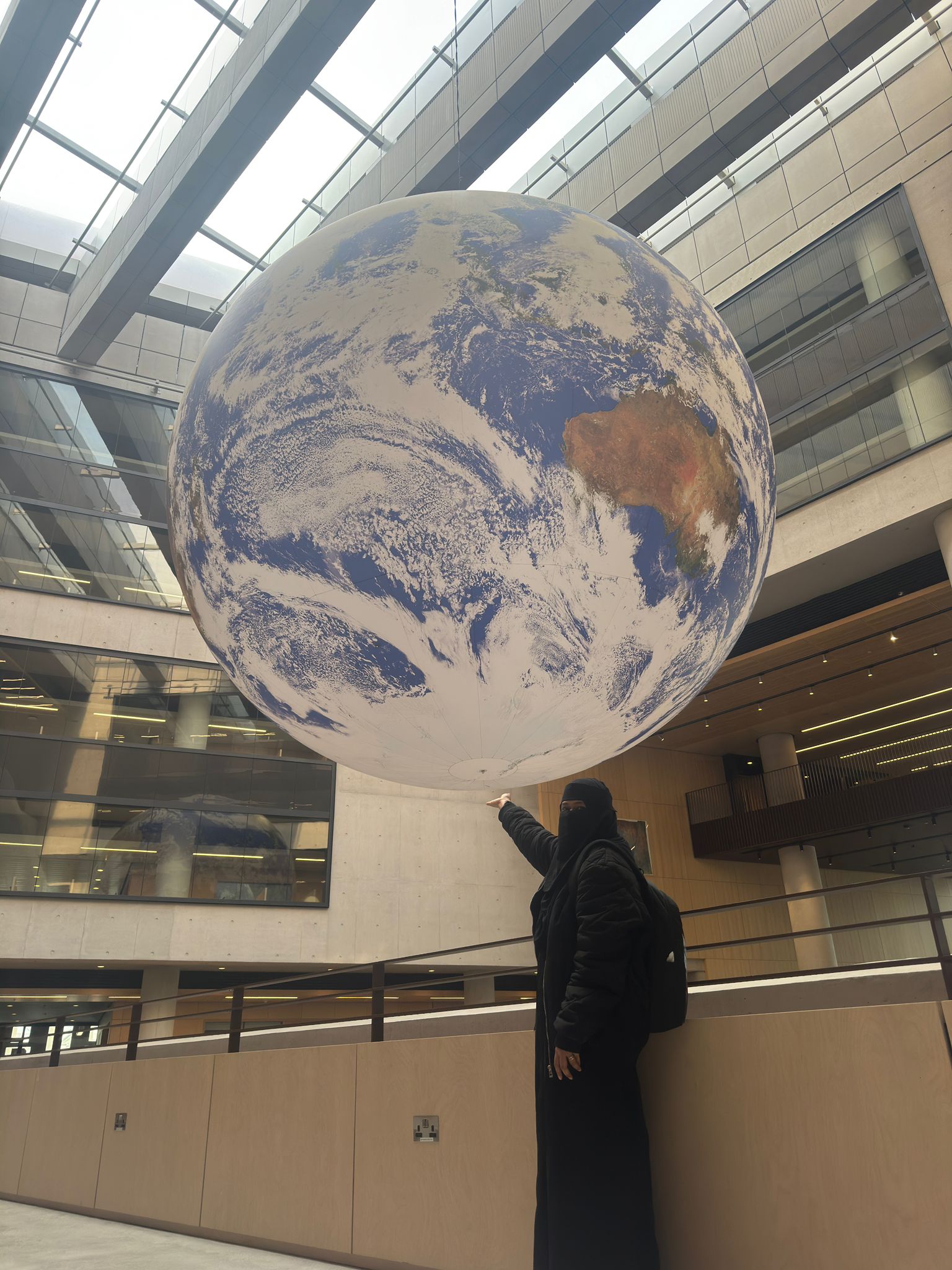
The maker ethos is the cultural shift from consuming technology to creating it and the future - Kiran Patel
Keynote Presentation 8
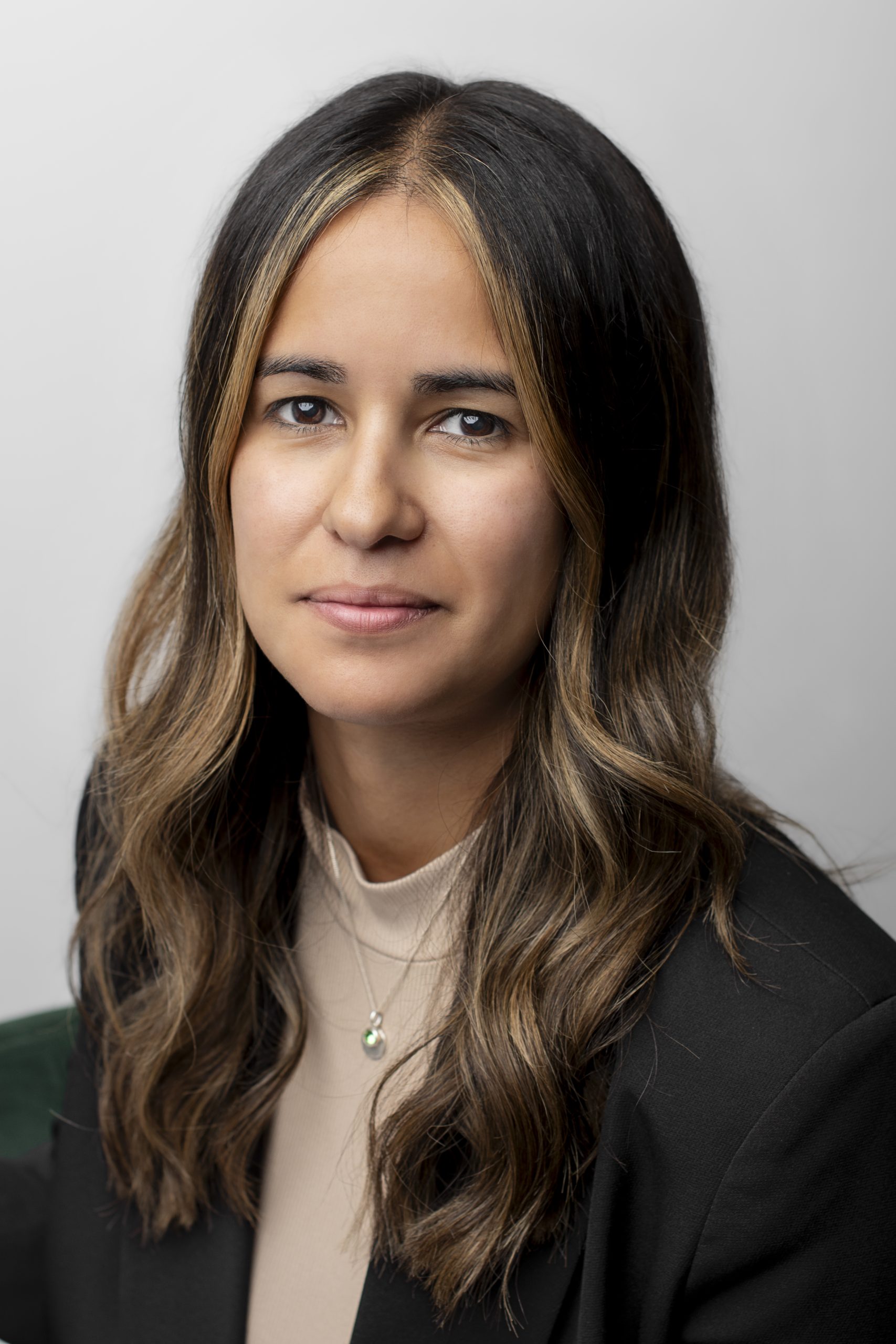
Newham Community Project - Zam Zam
Keynote Presentation 9
Career in STEM
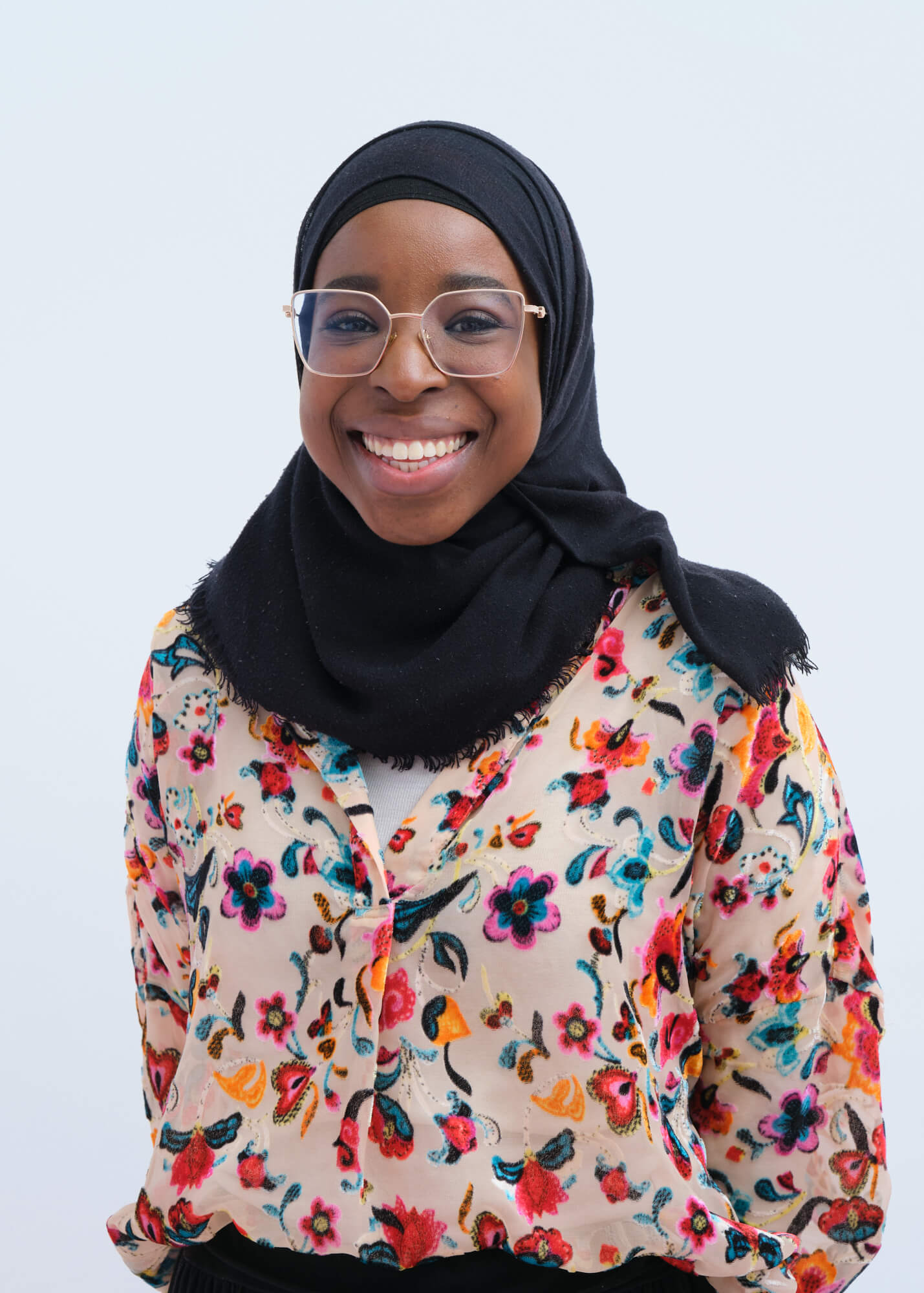
How and why should you consider a career in STEM? The humble story of one Anglo-Uruguayan scientist.
Keynote Presentation 10
Sickle Cell recovery and gene therapy
Zainab Garba-Sani is a Stanford-affiliated Research Scholar and UK Commonwealth Fund Senior Harkness Fellow (2022–23), working at the intersection of health policy, science, and community-centred practice. Her work focuses on how emerging fields such as artificial intelligence, genomics, and regenerative medicine can be translated responsibly into real-world health impact – particularly for underserved populations and people living with chronic and rare conditions.
Her research and practice are grounded in bridging cutting-edge science and innovation with lived experience – focusing on inclusive design, governance, and real-world implementation. She is the founder of ACCESS AI, an initiative advancing equitable and inclusive approaches to health AI through diverse community engagement, meaningful co-production, and interdisciplinary collaboration. Through this work, she contributes to broader conversations on AI governance, data equity, and the societal implications of innovation.
Alongside her research, Garba-Sani collaborates internationally with academic institutions, healthcare systems, civil society, industry, and governments to strengthen innovation pathways and care models for sickle cell community and other historically neglected populations, including in low- and middle-income countries. She holds senior advisory and leadership roles across health and research ecosystems and is an advisor to multiple committees focused on gene and cell therapies, regenerative medicine, health equity, and rare diseases. She is Vice Chair of the Sickle Cell Society and was recently the Founding Chair of NHS England’s Sickle Cell Transformation Patient Advisory Group and Co-Chair of Genomics England’s Diverse Data Advisory Board.
Garba-Sani holds an MSc in Health Policy from Imperial College London and brings extensive experience in healthcare leadership, having previously served in senior roles at NHS England, TEDxNHS, and the NHS Muslim Network. Her contributions have been recognised with numerous awards, including the UK Prime Minister’s Points of Light Award.
Keynote Presentation 11
Environment, Climate and Nature: Increasing public engagement.
What does the climate emergency mean for our communities, our future, and our responsibilities to one another?
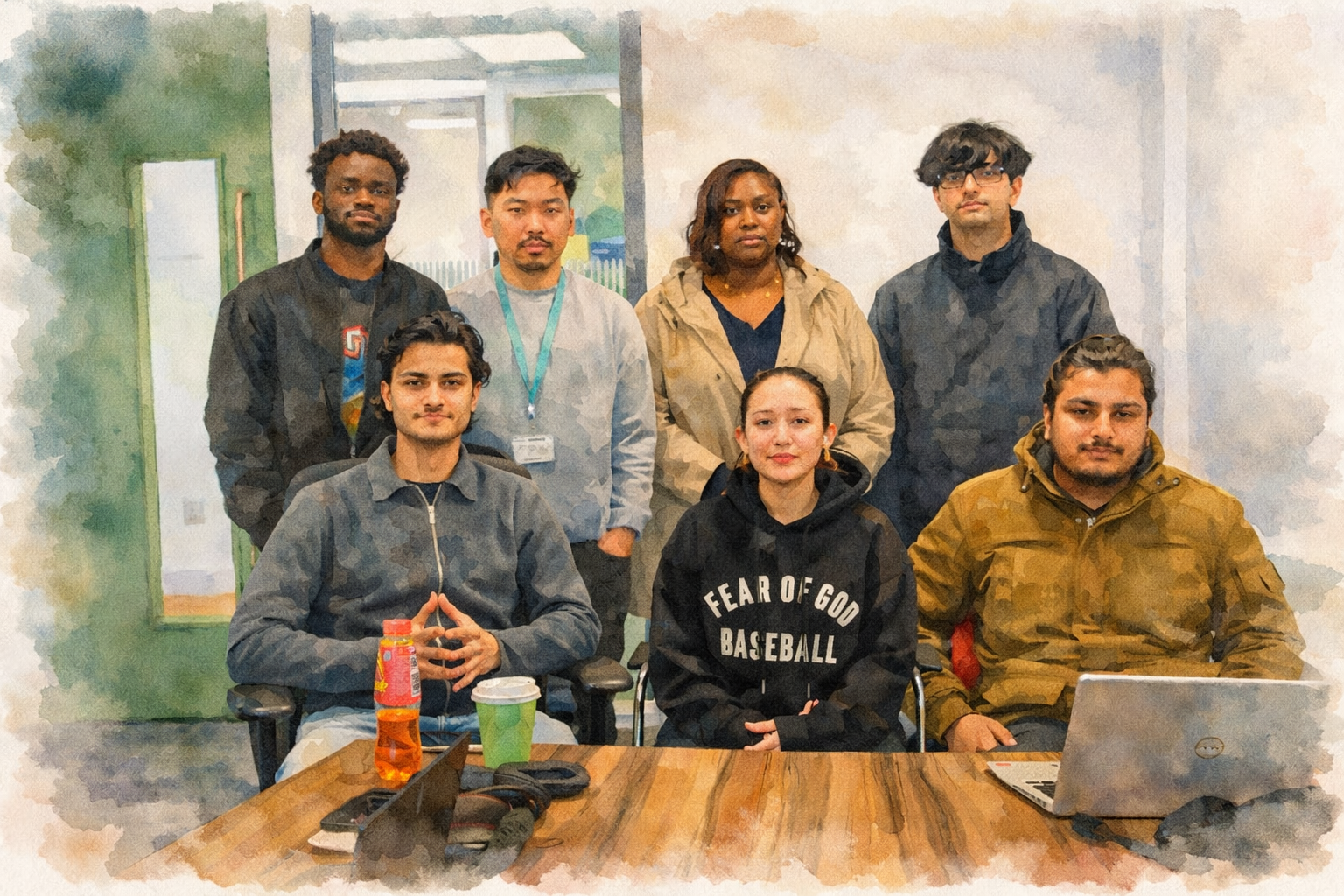
In this keynote session, a group of University of East London students working on placement with the Climate Emergency Centres (CEC) network will share insights from a series of powerful talks and discussions featured on the CEC YouTube channel. Each student has explored a different theme — from climate justice and ethical governance to media change, social responsibility, and imaginative futures beyond crisis.
Drawing on these talks, the students will present short reflections highlighting key ideas, questions, and possibilities for action. Their contributions explore themes such as:
- Creating a Fairer Society
- The Climate Crisis as a Moral Challenge
- The Role of Media in Social Transformation
- Human Agency in a Changing Climate Reality
- Ethical Governance for People and Planet
- Welfare Not Warfare
- Thrutopian Thinking: Imagining Practical Hope
The session is designed not only to share knowledge but to spark conversation and critical reflection. Each presentation will raise questions and suggest further reading or viewing for those who want to explore the issues more deeply.
The keynote will also include a short contribution from Phoenix from the Climate Emergency Centres network, who will introduce the work of the CEC movement, the role of student placements in helping to get the message across, and ways people can get involved in community-led climate action.
Together, this session invites visitors to listen, reflect, question, and imagine the kind of future we want to build — for Newham and beyond.
Be part of the team.
Newham needs you.
Calling all…
- Makers, inventors, tinkerers
- Coders, hackers & data wizards
- Low-tech, high-tech, no-tech-at-all people
- Systems-and-strategy types
- Hands-on creative types
- “Able to fix anything” types
- Community-builders
- History & archives people
- Hobbyists & specialists
- Questioning, freethinking, curious people
East London needs you!